
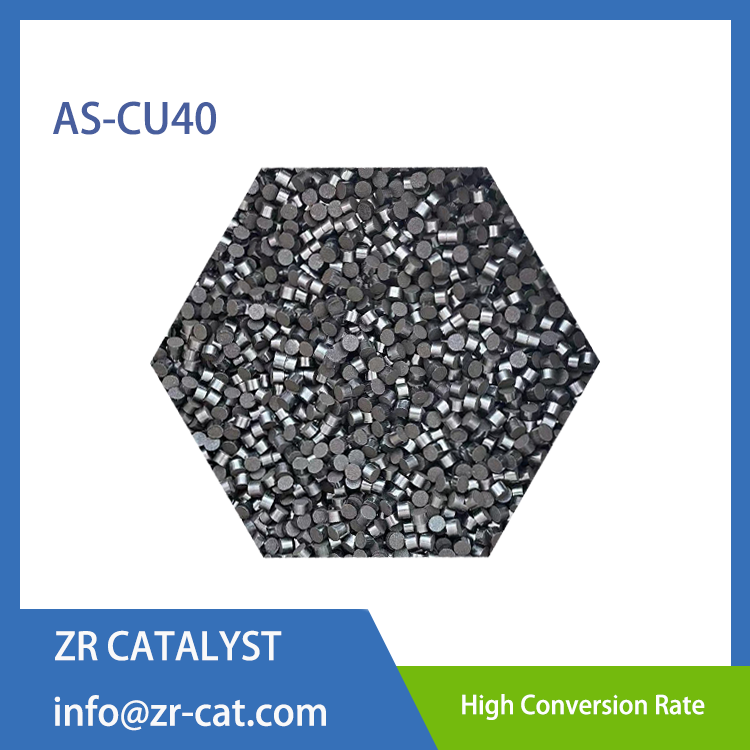
Copper-based (Cu-based) catalysts have gained significant attention in the field of selective oxidation reactions due to their unique properties, such as high selectivity and efficiency. These catalysts are widely used in various chemical processes, including the selective oxidation of hydrocarbons, alcohols, and other organic compounds. Below is an overview focusing on the key aspects of Cu-based catalysts for selective oxidation reactions.

Copper/Zinc/Alumina (Cu/Zn/Al₂O₃) catalysts play a pivotal role in methanol synthesis, directly influencing the efficiency and cost-effectiveness of methanol production. Below is an exploration on how to optimize such catalysts, covering aspects including composition, preparation methods, physicochemical properties, and application outcomes.
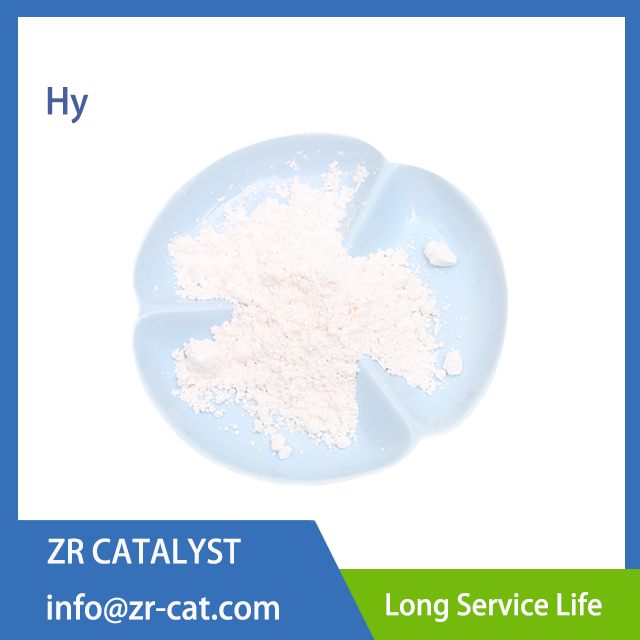
Catalytic cracking is a critical process in petroleum refining, converting heavy hydrocarbon fractions into lighter, more valuable products such as gasoline, diesel, and liquefied petroleum gas (LPG). Among the various catalysts used for this purpose, HY zeolite stands out due to its unique combination of properties that enhance catalytic performance. Below, we delve into the characteristics, applications, and advantages of using HY zeolite in catalytic cracking processes.
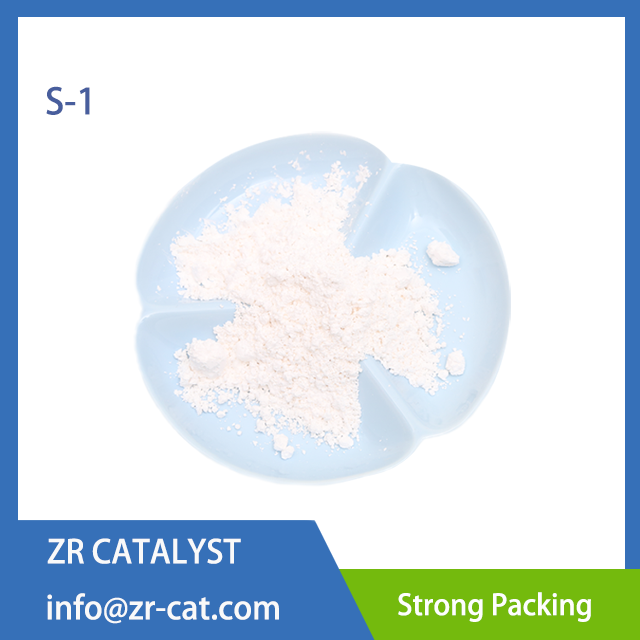
S-1 zeolite, characterized by its unique structure and silicon-rich composition, has emerged as a critical material in the field of selective oxidation catalysis. This zeolite type, known for its high stability and tunable acidity, finds extensive applications in various chemical processes that require precise control over reaction selectivity and efficiency.
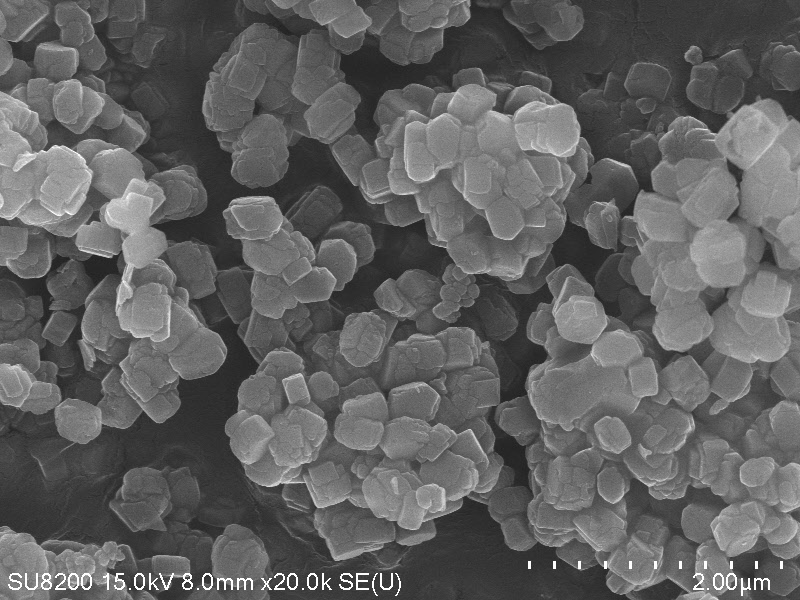
ZSM-5 zeolites are extensively utilized in the field of environmental catalysis, particularly for the selective catalytic reduction (SCR) of nitrogen oxides (NOx). This application is crucial for reducing harmful emissions from industrial and vehicular sources. Below, we explore how ZSM-5 zeolites contribute to efficient NOx removal, their structural features, and their performance benefits.
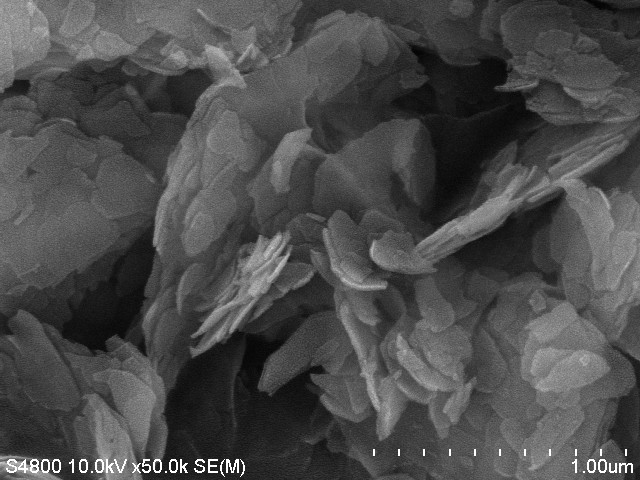
catalytic cracking processes within the petrochemical industry. This zeolite is particularly valued for its ability to provide high selectivity and stability under demanding reaction conditions. Below, we explore the application of MCM-22 zeolite in catalytic cracking, highlighting its benefits and contributions to process efficiency.
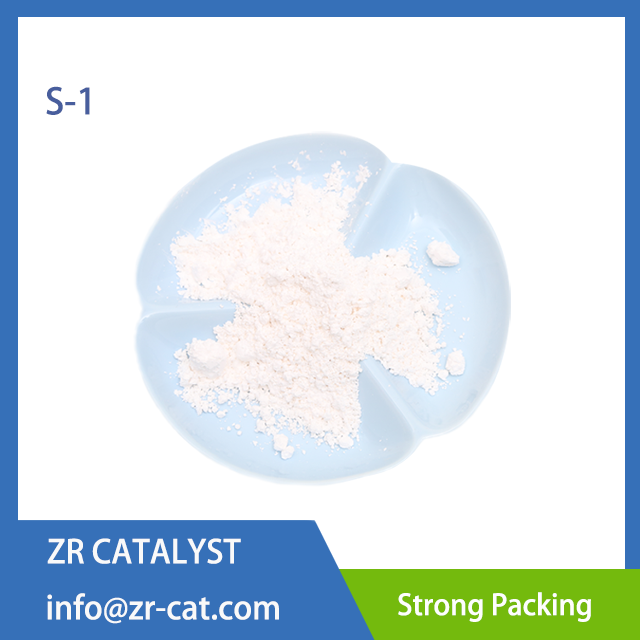
S-1 zeolite, characterized by its unique silicon-rich framework and the presence of isolated silanol groups, serves as an exceptional support material for metal catalysts. This zeolite type is particularly noted for its high thermal stability and hydrophobicity, making it suitable for a range of catalytic applications where traditional supports may not perform optimally.
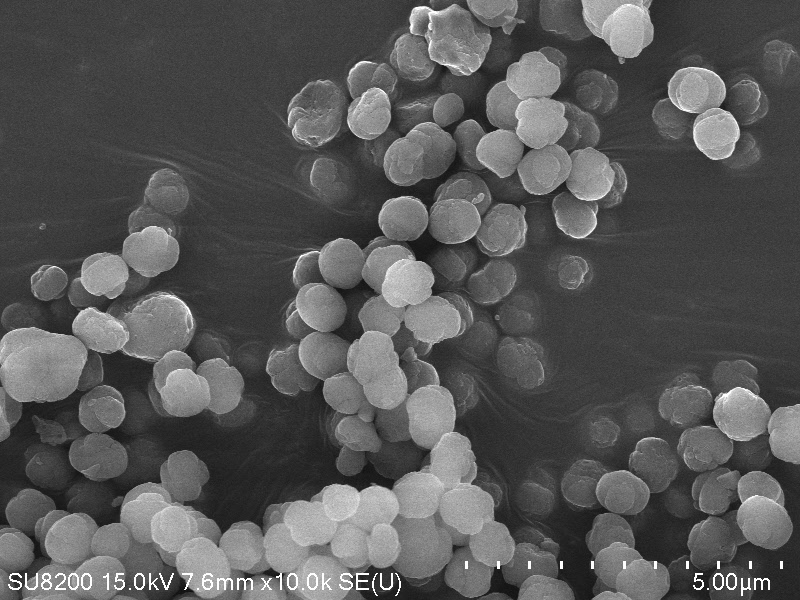
ZSM-5, a type of medium-pore zeolite with a three-dimensional channel system, plays a critical role in hydrocarbon isomerization processes. Its unique structure and properties make it an ideal catalyst for this application, offering several advantages:
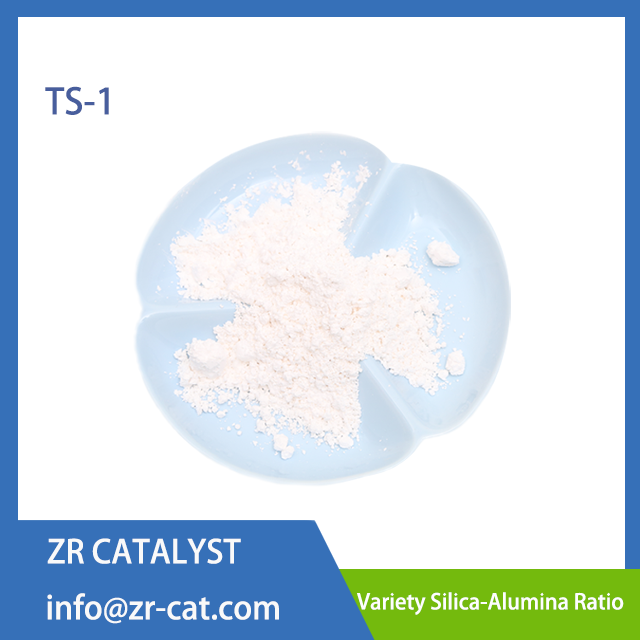
Titanium Silicalite-1 (TS-1) is a unique molecular sieve catalyst that has garnered significant attention for its role in the selective oxidation of organic compounds. This zeolite contains titanium atoms within its framework, which are pivotal in catalyzing oxidation reactions with hydrogen peroxide as an oxidant. Below, we delve into how TS-1 facilitates these reactions and why it's considered a valuable catalyst in this domain.
