
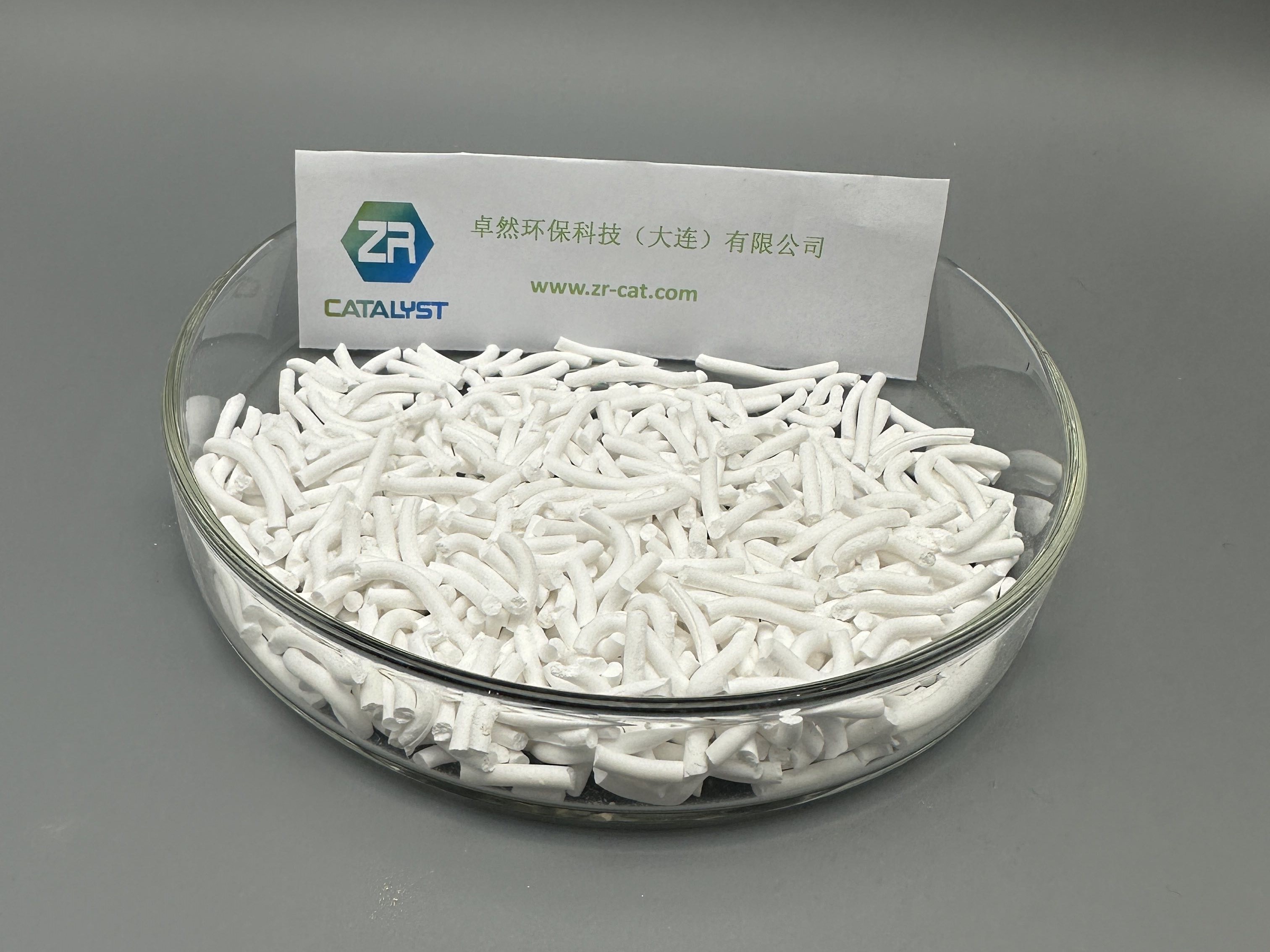
SSZ-13 has garnered significant attention as a catalyst for the Selective Catalytic Reduction (SCR) of NOx due to its unique properties and performance advantages. This zeolite, characterized by its CHA framework type, is typically modified with active metals such as copper or iron to enhance its catalytic efficiency in reducing nitrogen oxides.
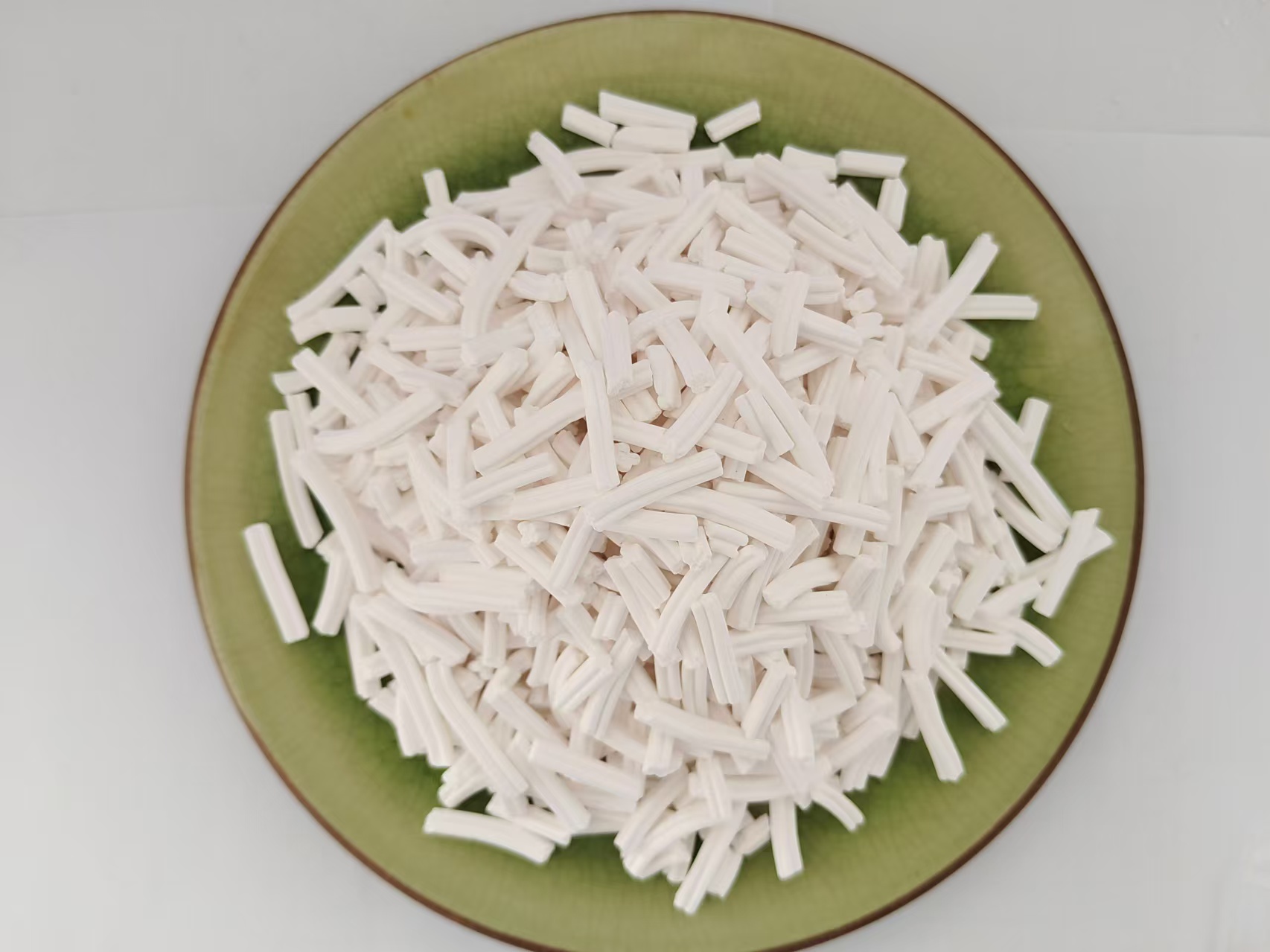
MCM-41, a mesoporous molecular sieve with a uniform pore size ranging from 2 to 10 nanometers, has been extensively studied and utilized in various catalytic processes due to its unique structural features. In selective oxidation reactions, MCM-41 serves as an effective catalyst or catalyst support, facilitating the conversion of organic compounds into more valuable products with high selectivity.
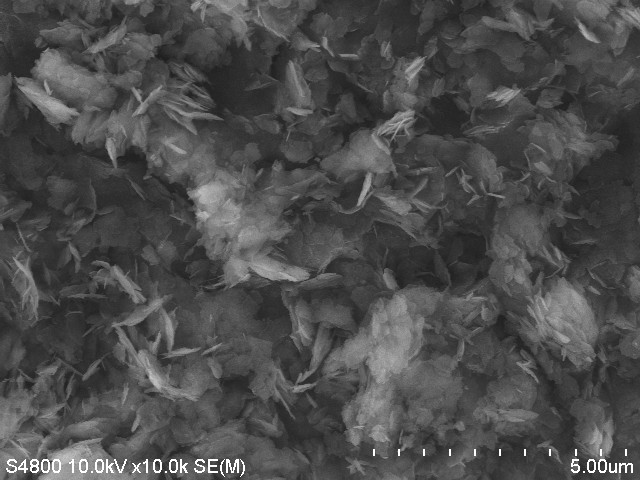
MCM-22 is a unique layered structured molecular sieve catalyst, playing a pivotal role in the selective transformation of aromatics. It is composed primarily of silicon and aluminum oxides, with minor additions of other elements like boron or iron to tailor its acidity and selectivity.
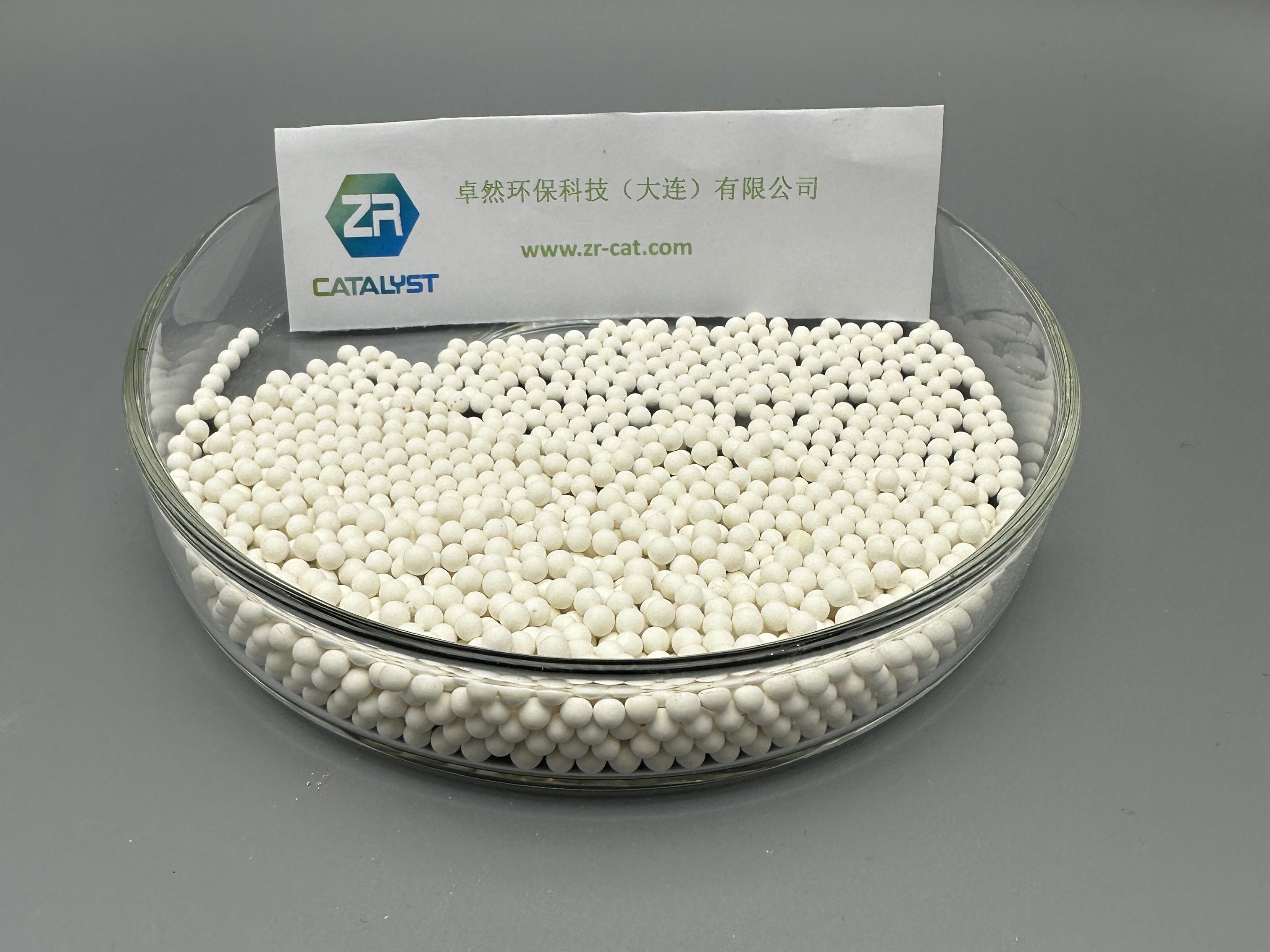
Hydrocracking is a catalytic process used in petroleum refineries to convert high-boiling, high-molecular-weight hydrocarbons into more valuable lower-boiling fuels such as gasoline, kerosene, and diesel fuel. This process involves breaking larger molecules (cracking) in the presence of hydrogen at elevated temperatures and pressures.
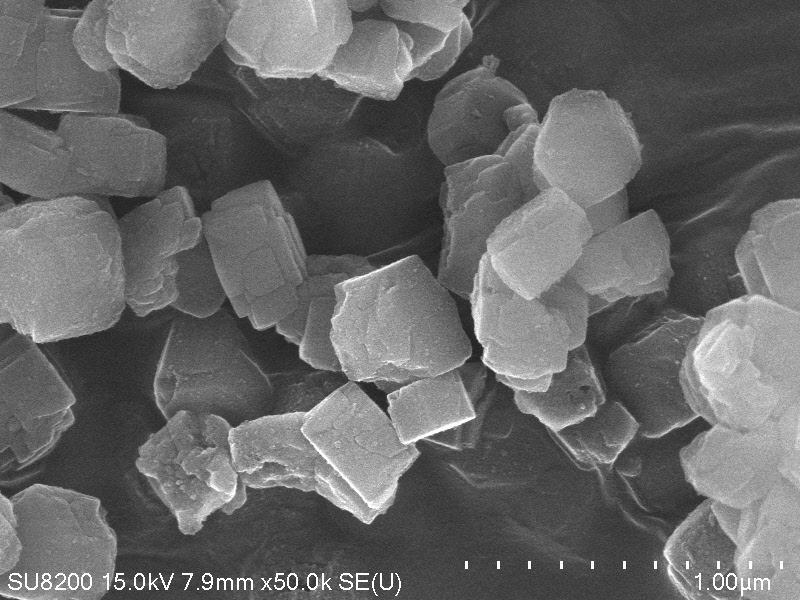
ZSM-5 is a versatile zeolite catalyst with a unique three-dimensional pore structure and high thermal stability, making it an excellent choice for enhancing the performance of Fluid Catalytic Cracking (FCC) units. FCC is one of the most important processes in oil refineries, used to convert heavy fractions into lighter, more valuable products such as gasoline, diesel, and liquefied petroleum gas (LPG).
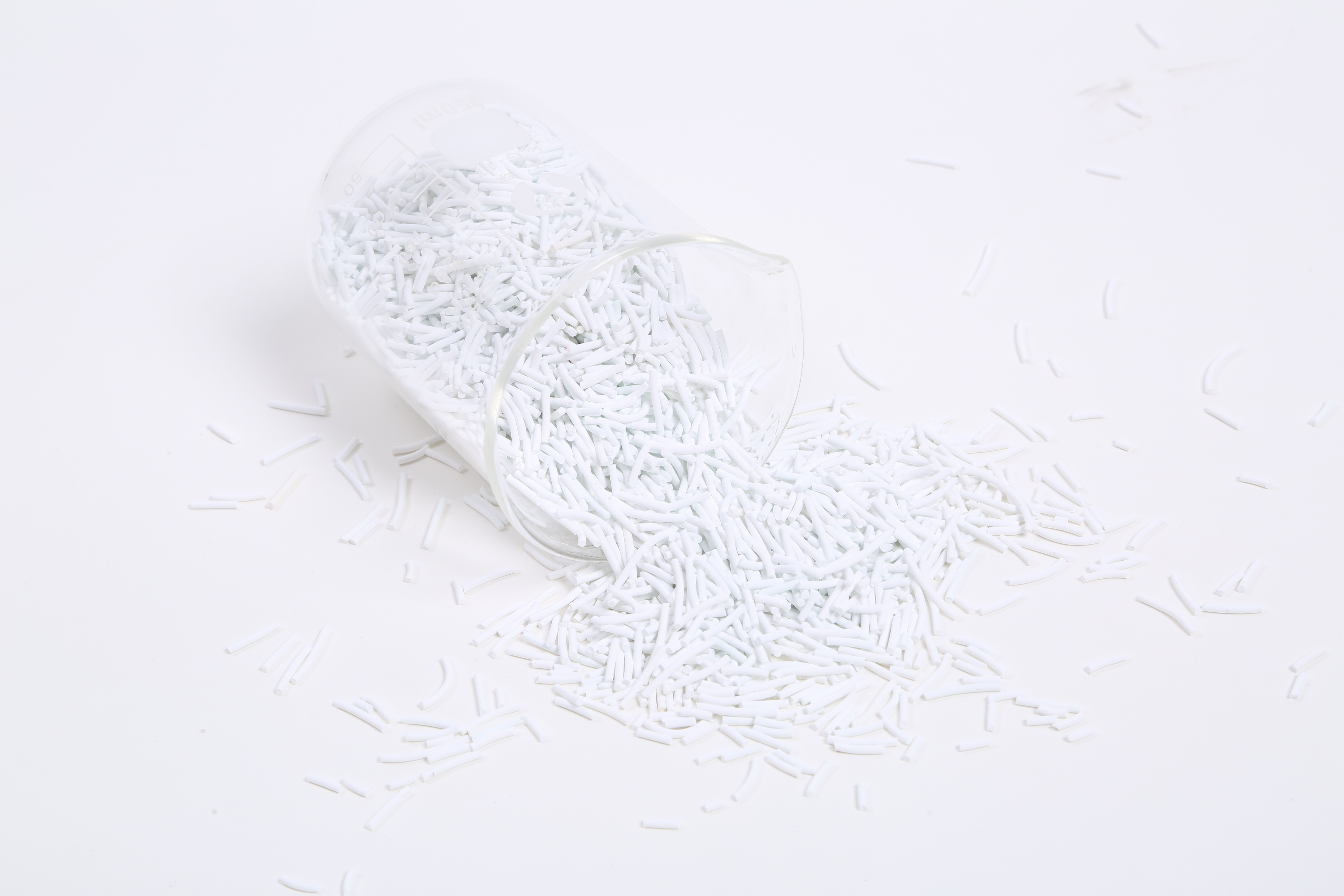
ZSM-22 is a unique zeolite catalyst that has found significant application in hydrocracking processes, especially for the conversion of heavy hydrocarbons into lighter, more valuable products. Its distinctive pore structure and high thermal stability make it particularly suited for use in industrial refining processes. Below, we explore the characteristics, applications, and advantages of using ZSM-22 in hydrocracking.
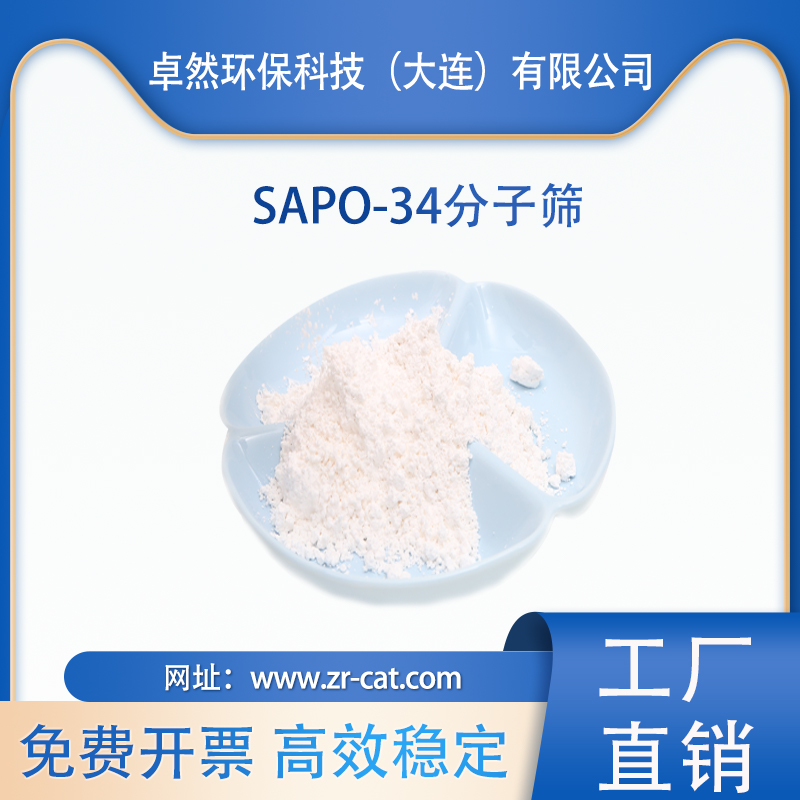
SAPO-34, a member of the silicoaluminophosphate (SAPO) family, has gained significant attention due to its unique structure and properties that make it highly effective for light olefin production. Specifically, SAPO-34 is widely used in processes such as Methanol-to-Olefins (MTO), which converts methanol into valuable light olefins like ethylene and propylene. Below we delve into the characteristics, application areas, and benefits of using SAPO-34 catalyst in these processes.
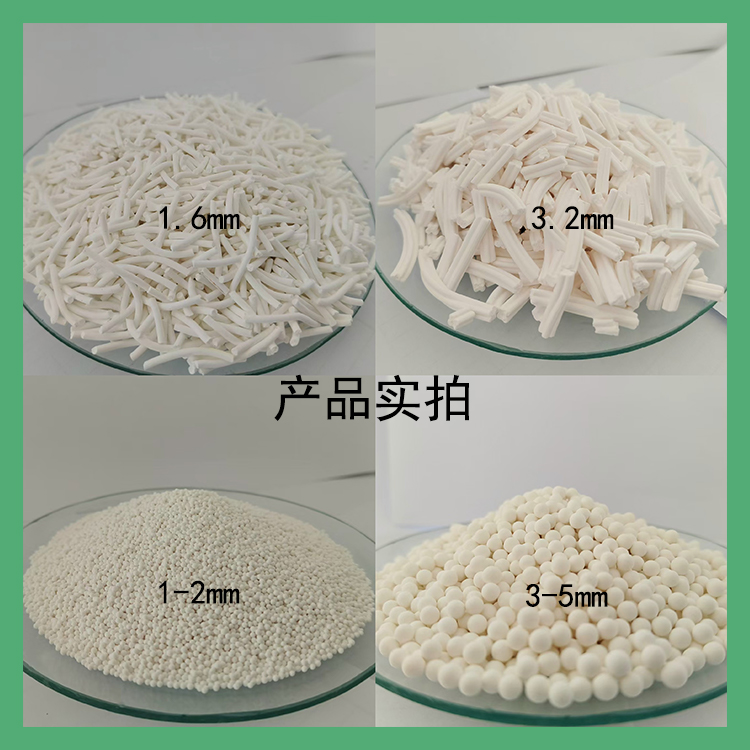
ZSM-11, a member of the MFI family of zeolites, is renowned for its exceptional catalytic properties and structural stability. It finds significant application in hydrocarbon isomerization reactions, which are critical for enhancing the quality of gasoline by increasing the octane number through the conversion of linear hydrocarbons to their branched isomers. Below, we explore how ZSM-11 catalyst contributes to this process, focusing on its characteristics, applications, and benefits.
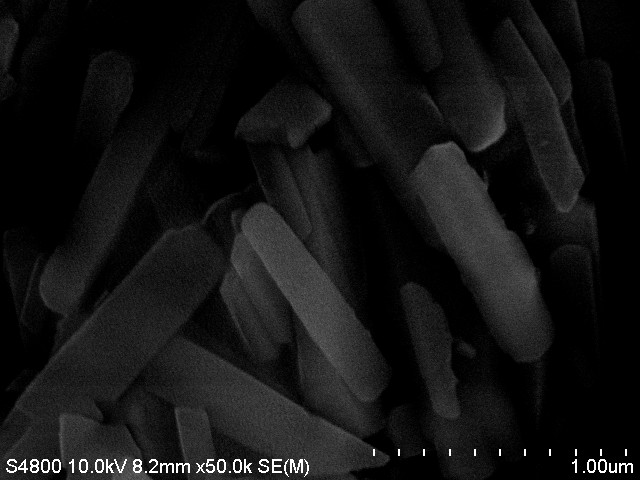
The conversion of methanol to olefins (MTO) is a critical process for producing light olefins such as ethylene and propylene, which are fundamental building blocks for the petrochemical industry. The Silicalite-1 (S-1) zeolite catalyst plays a pivotal role in this transformation due to its unique structural and chemical properties.
