
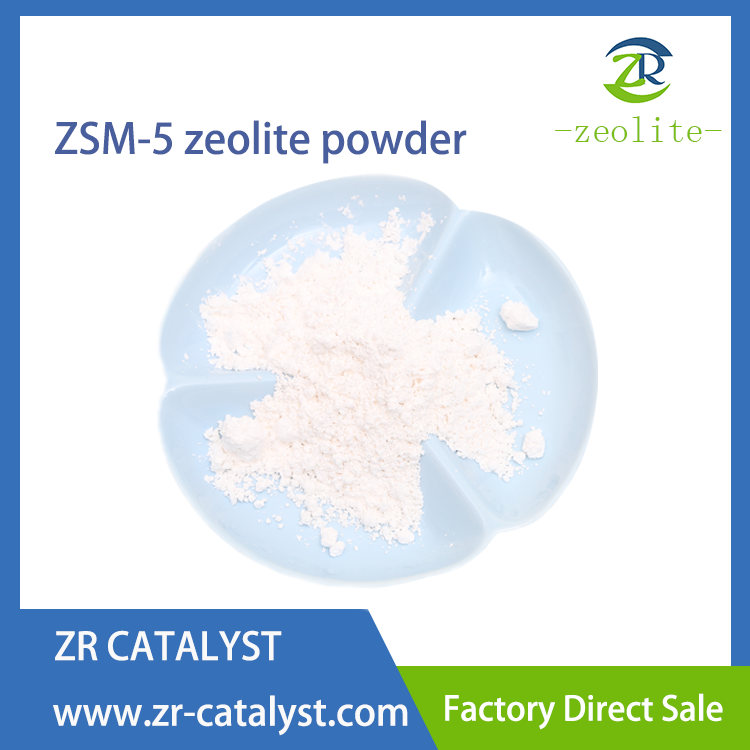
ZSM-5, a type of zeolite with a unique three-dimensional pore structure, has been widely recognized for its exceptional performance in catalytic processes, particularly in methanol conversion. This application includes the production of valuable chemicals and fuels such as light olefins (ethylene and propylene), gasoline-range hydrocarbons, and aromatics. The distinctive properties of ZSM-5 make it an ideal catalyst for these transformations, offering high selectivity, stability, and efficiency.
29
2025/8
SBA-15 is a type of mesoporous silica material known for its uniform and tunable pore sizes, high surface area, and ordered pore structure. These properties make it an ideal candidate for various applications, including the immobilization of bio-molecules such as enzymes, proteins, and DNA. The unique characteristics of SBA-15 enable enhanced stability, activity, and reusability of immobilized bio-molecules, making it highly valuable in biotechnology, pharmaceuticals, and other fields.
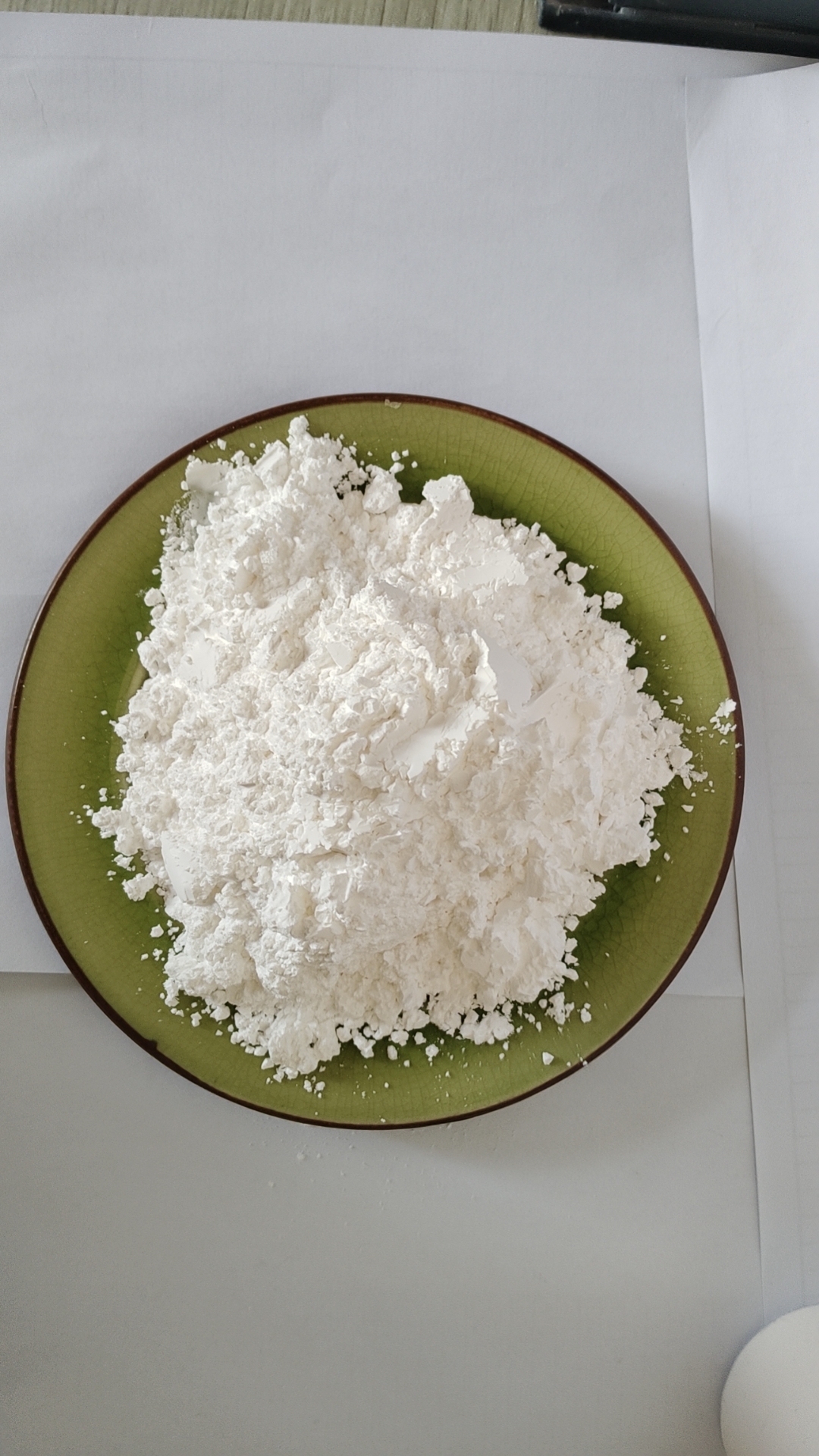
ZSM-11 is a member of the zeolite family known for its high stability and unique pore structure, making it highly effective in various industrial catalytic processes. With a three-dimensional pore system composed of interconnected channels, ZSM-11 offers superior thermal and hydrothermal stability, as well as excellent shape-selectivity, which are crucial for many chemical reactions.
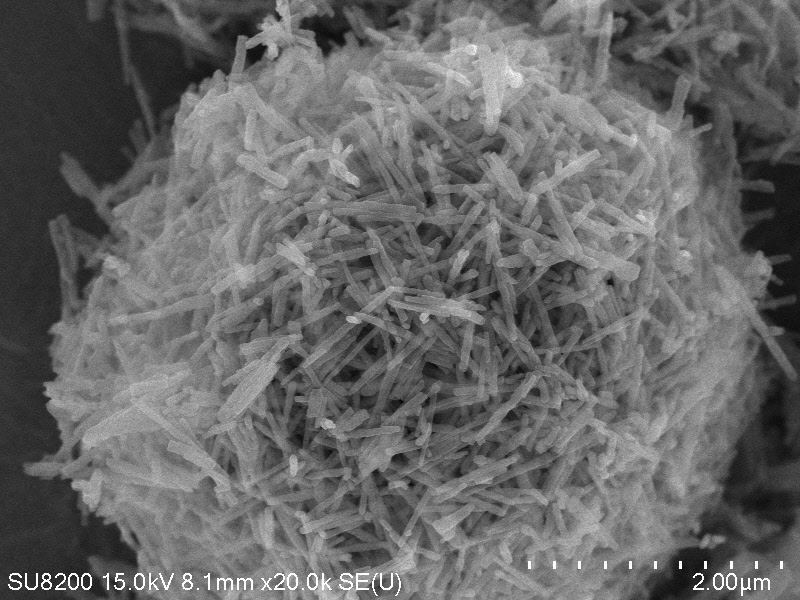
ZSM-22 is a type of high-silica zeolite with a unique one-dimensional pore system that makes it particularly effective in selective catalytic reduction (SCR) processes. Its structure, characterized by straight 10-ring channels, offers exceptional stability and selectivity, making it an ideal catalyst for reducing nitrogen oxides (NOx) emissions from industrial and automotive sources.
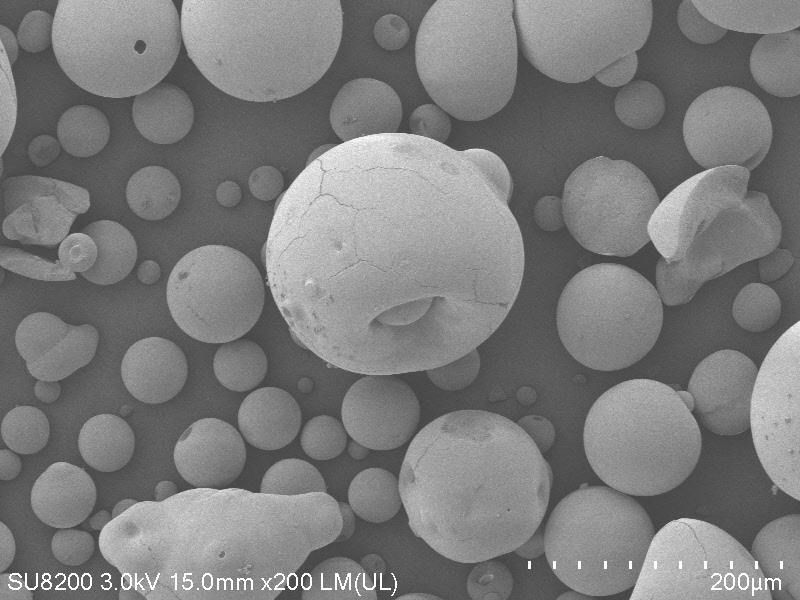
Titanium silicalite (TS-1) is a unique molecular sieve catalyst that has garnered significant attention in green chemistry due to its ability to facilitate selective oxidation reactions under mild conditions. Comprising a three-dimensional framework of silicon and oxygen atoms with isolated tetrahedral Ti(IV) sites, TS-1 represents an environmentally friendly alternative to traditional metal-based oxidants.
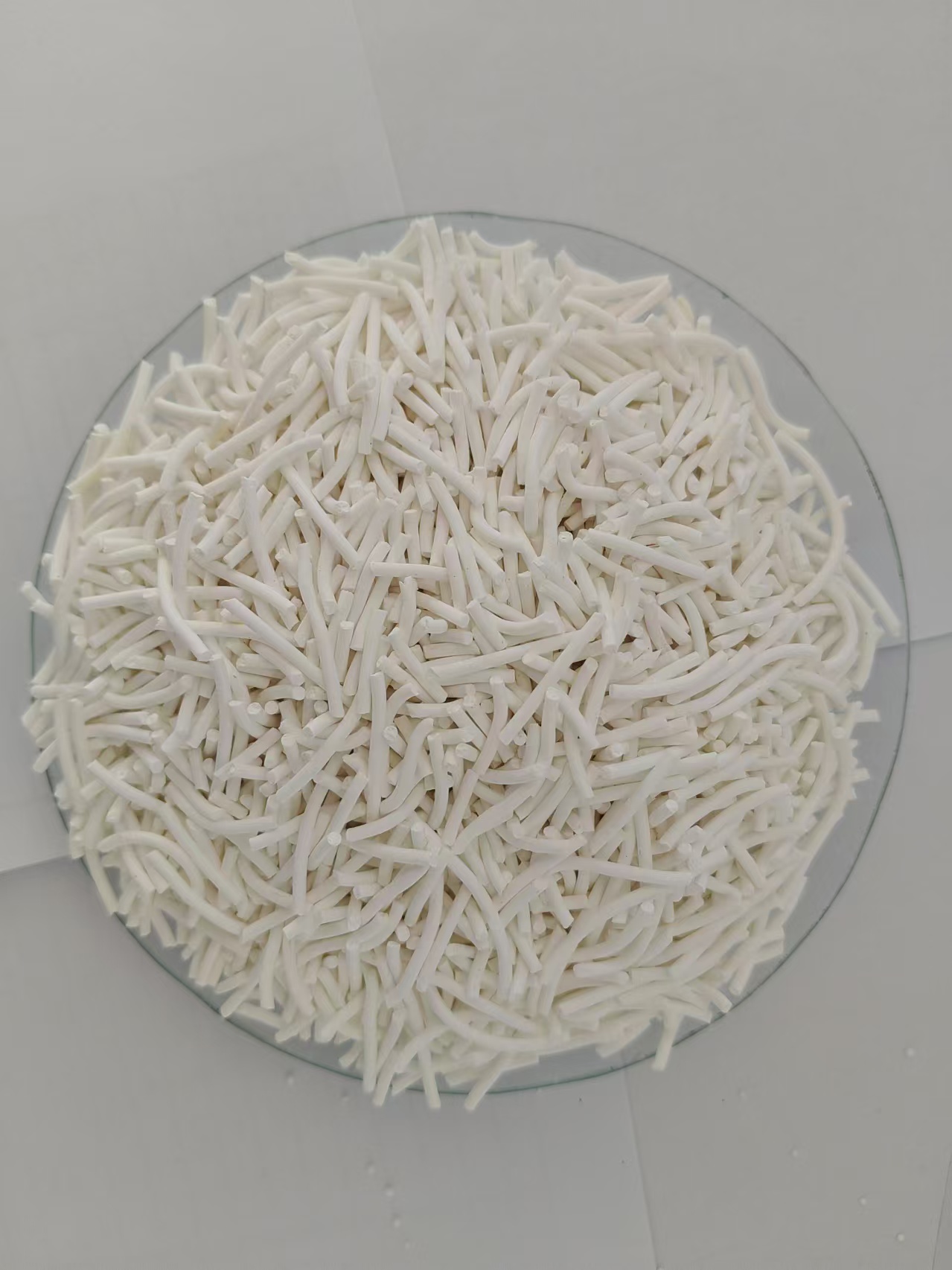
Skeletal isomerization of low-carbon alkanes (typically within the C4-C7 range, such as n-butane and n-pentane) represents a significant petrochemical process. This process involves the conversion of straight-chain alkanes into their branched counterparts under catalytic conditions, altering their physical and chemical properties. This transformation is crucial for enhancing fuel quality and increasing gasoline octane numbers.
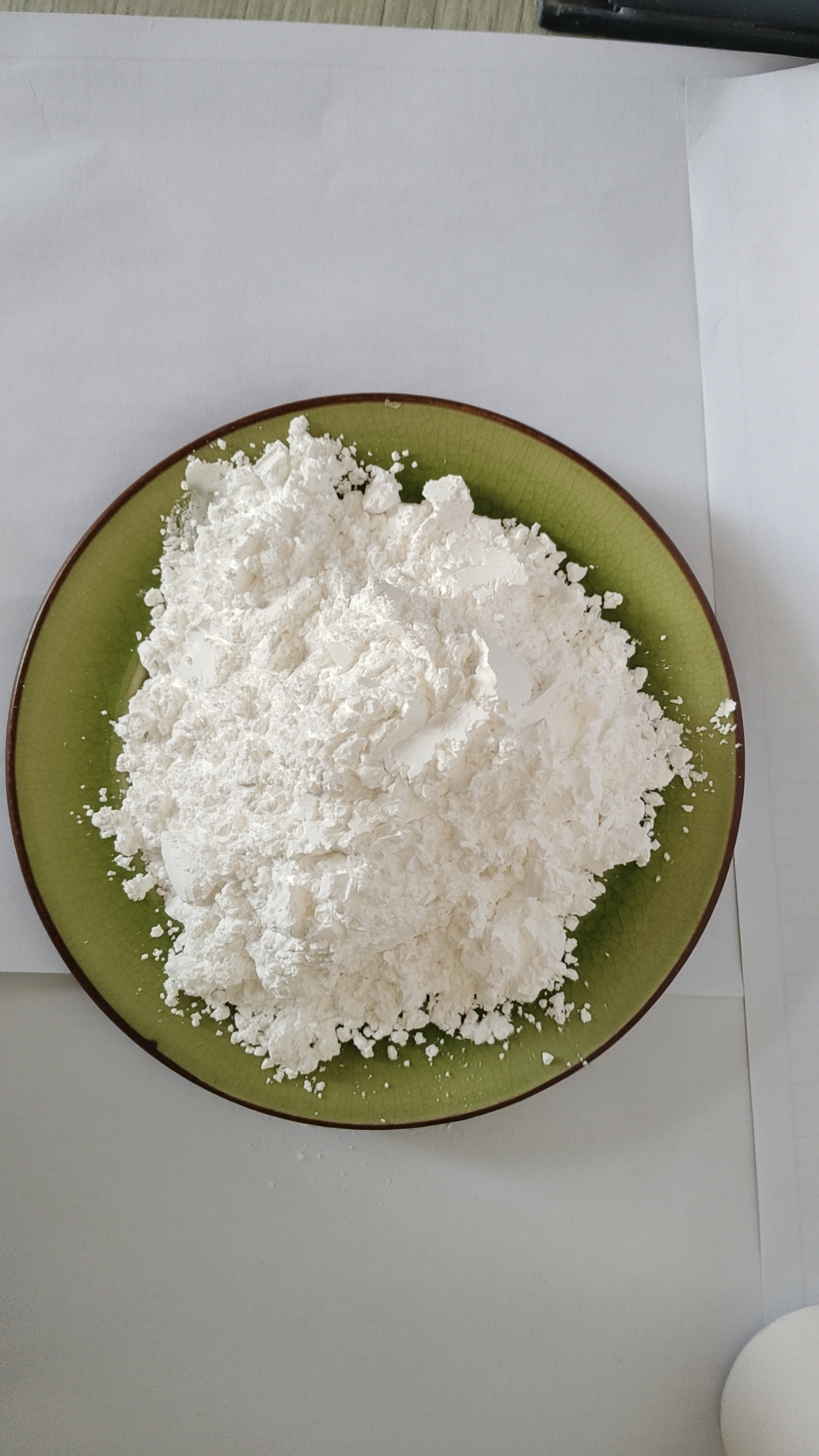
SAPO-11, a member of the silicoaluminophosphate molecular sieve family, plays an essential role in the selective hydrocracking of paraffins. Its unique properties make it highly effective for this process.
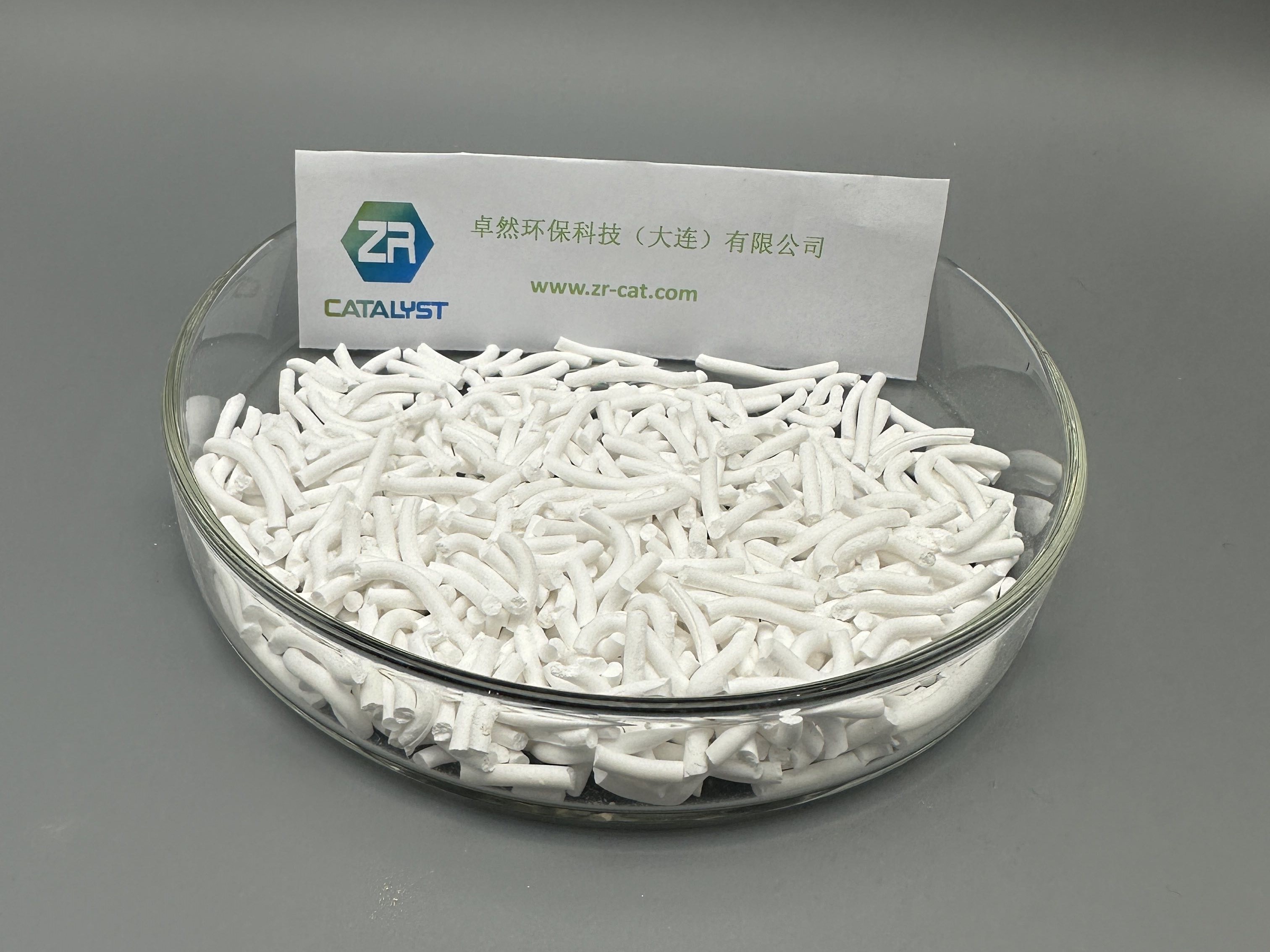
SAPO-34, a member of the silicoaluminophosphate (SAPO) family with a CHA-type framework, has been extensively researched and commercially utilized as an efficient catalyst for converting methanol to olefins (MTO). This conversion process is critical for producing light olefins such as ethylene and propylene from methanol, which can be derived from coal or natural gas, offering an alternative route to conventional petroleum-based methods.
